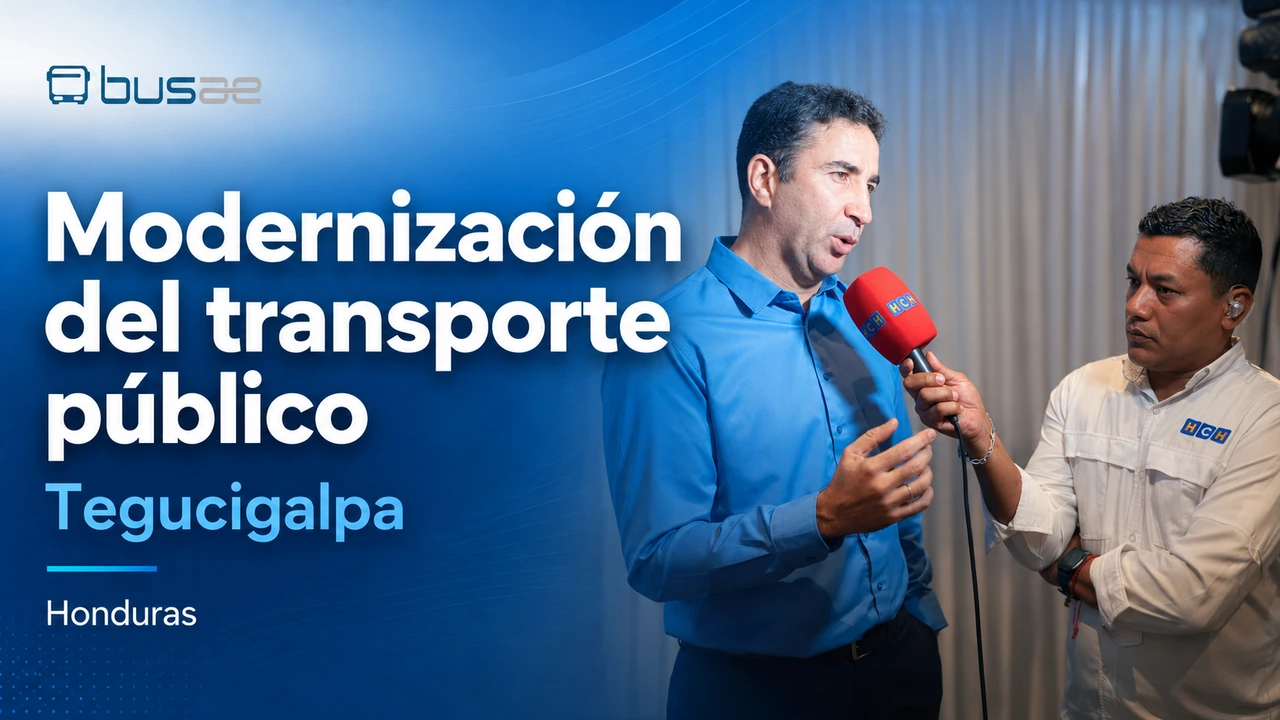
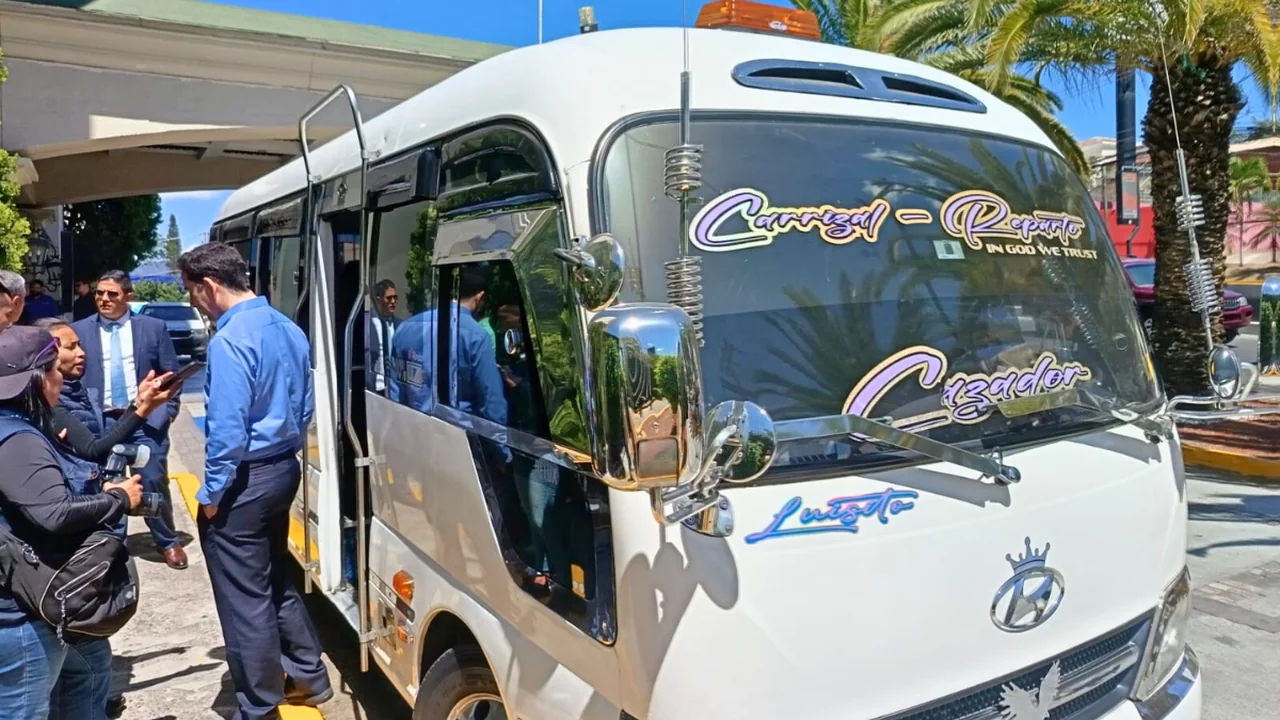
The project was officially presented in Tegucigalpa at a public event accompanied by a press conference and attended by national authorities. This is an initiative that goes beyond the announcement: the new system is already operating on public transport in the Honduran capital.
What was presented in Tegucigalpa
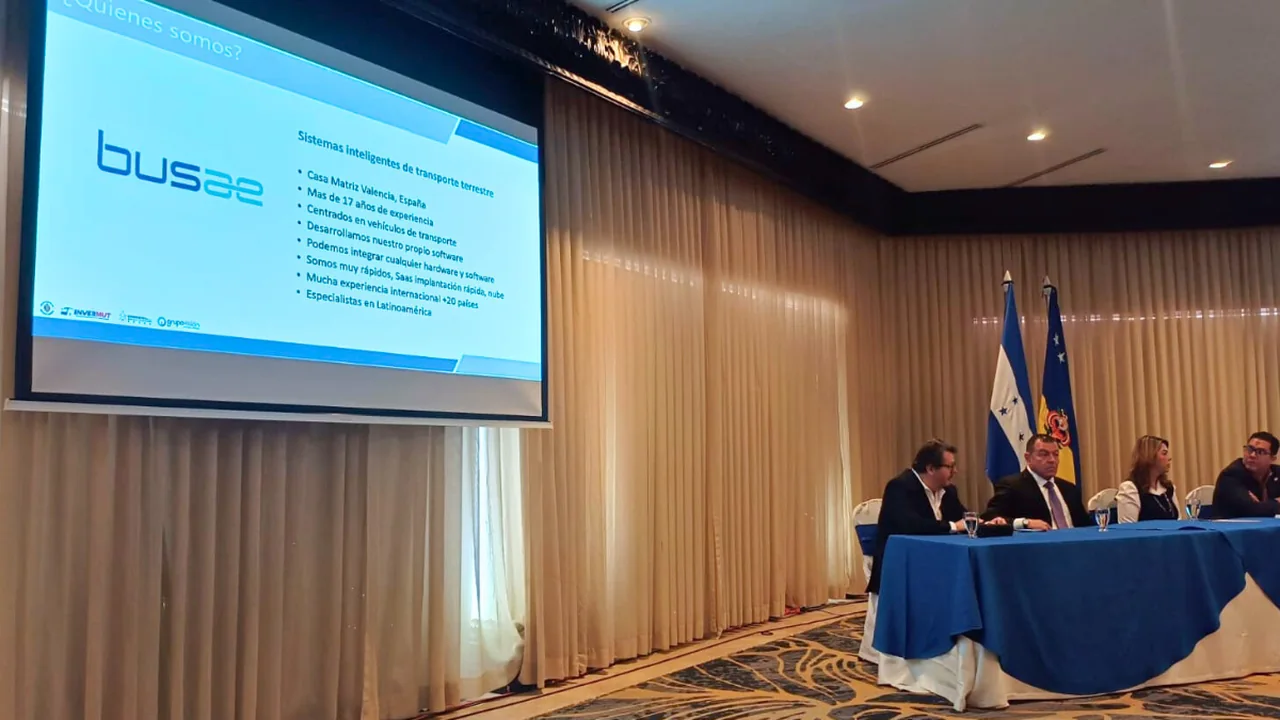
The official presentation unveiled a public transport digitalisation project driven by the Municipality of the Central District. Busae, as the company awarded the contract, is responsible for the technology integrated into the buses and into the daily operation of the service.
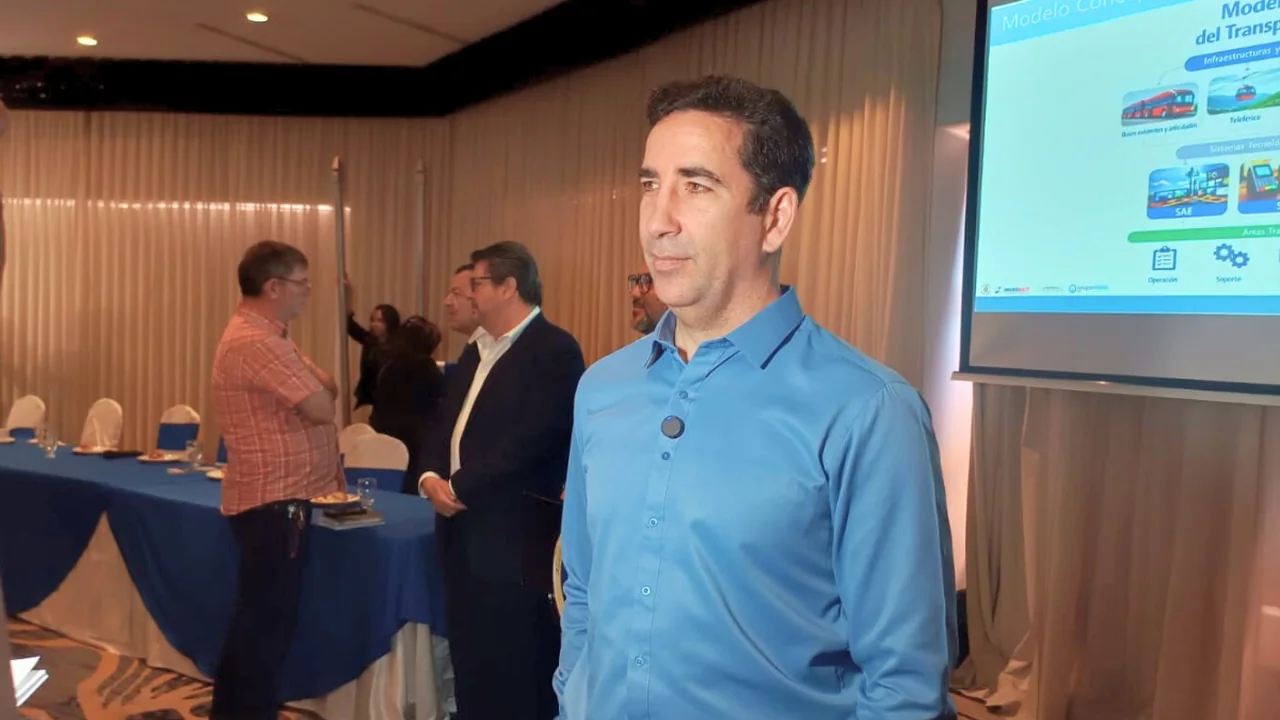
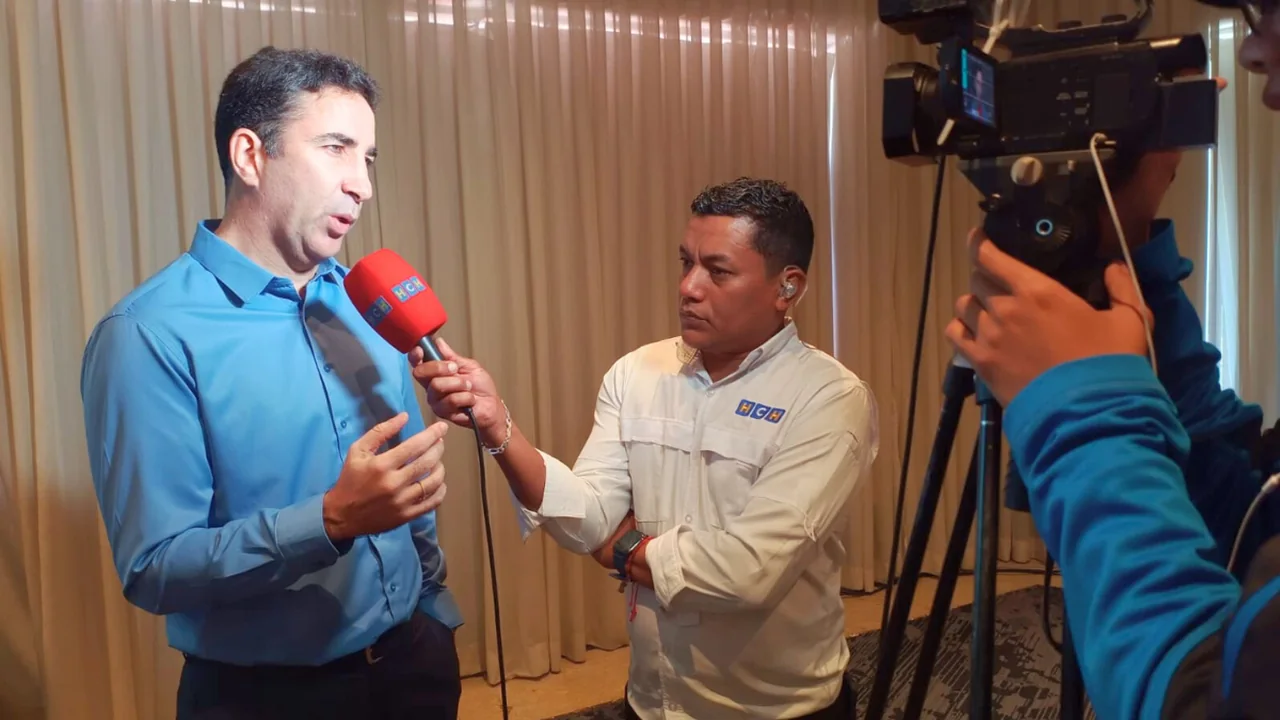
The launch was attended by Fernando Cobo, who travelled to Tegucigalpa to present the project alongside the authorities and explain what this modernisation of public transport in Honduras involves. During the event, thanks were given for the support of the Honduran Land Transport Institute (IHTT), with the participation of Juan Diego Zelaya Aguilar.
Why public transport needed modernising
Public transport is an essential service for thousands of people every day. Without digital tools, operations depend on cash fare collection, it is difficult to know in real time where each vehicle is, and it is not always straightforward to give passengers clear information about their journey.
Modernisation aims to solve precisely those points: to organise the fare collection system, give visibility to operations and improve the experience of those who use public transport in Tegucigalpa. It is the same approach Busae takes with its ITS platform: not installing isolated devices, but connecting information, equipment and operations within a single system.
Do you want to modernise public transport in your city?
Discover how Busae integrates ticketing, fleet management, passenger information and ITS technology within a single platform for public transport operators.
Request a demoWhich technologies the project includes
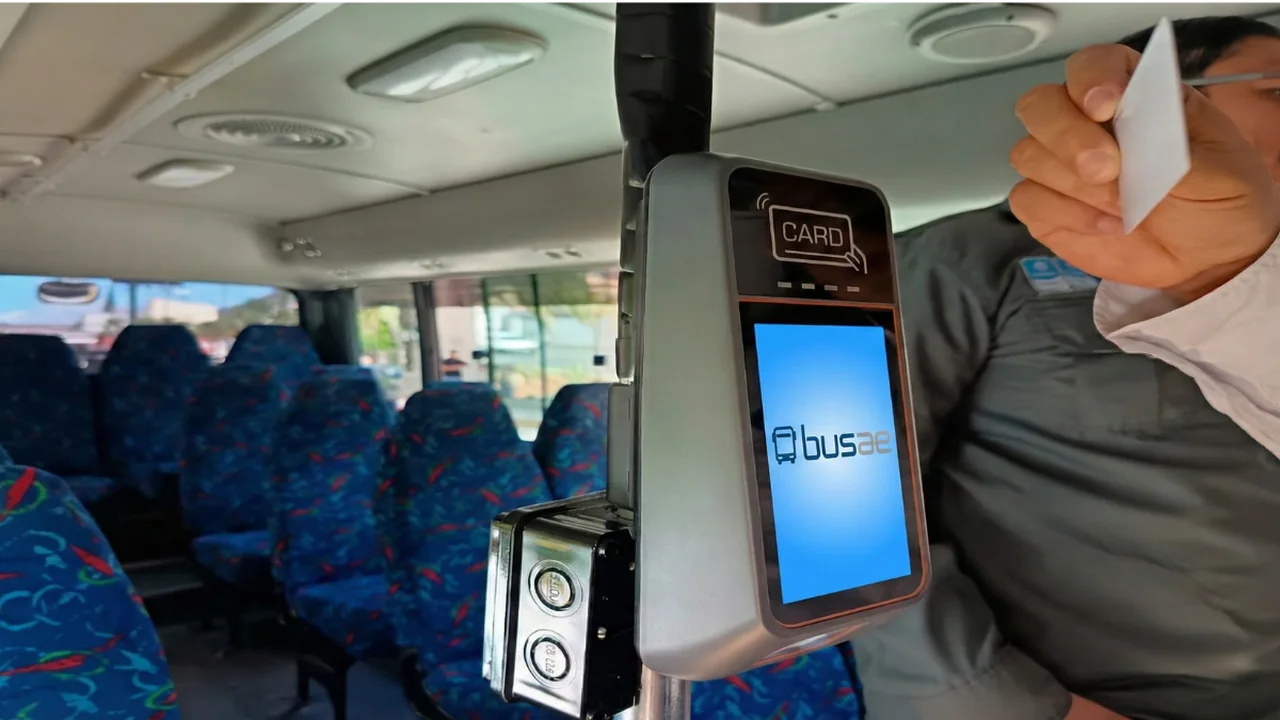
The system deployed in Tegucigalpa brings together several ITS technologies integrated into the same platform:
All this technology travels on the vehicles themselves and is built on Busae hardware, designed to work reliably in the day-to-day running of urban transport.
What it means for operators
For transport operators, digitalisation brings control and traceability. Fare collection no longer depends on cash and is instead recorded electronically, while AVL offers a real-time view of the fleet. Passenger counting makes it possible to know the real demand on each route and to make decisions based on data rather than estimates.
This is Busae's proposal for public transport: integrating ticketing, fleet management, passenger information and security within a single platform, avoiding scattered systems that are hard to maintain.
What it means for passengers
For passengers, the change is felt in everyday details. Paying is simpler thanks to QR validation and bank card payment, with no need to carry the exact fare in cash. The PIS brings service information closer, and features such as the cameras and the panic button connected to 911 reinforce safety during the journey.
The role of Busae and Fernando Cobo
Busae is the contract awardee for the project and is responsible for integrating all the technology into the operation of transport in Tegucigalpa. The company develops its own software and equipment, which allows it to connect ticketing, AVL, PIS, CCTV and passenger counting within a single system.
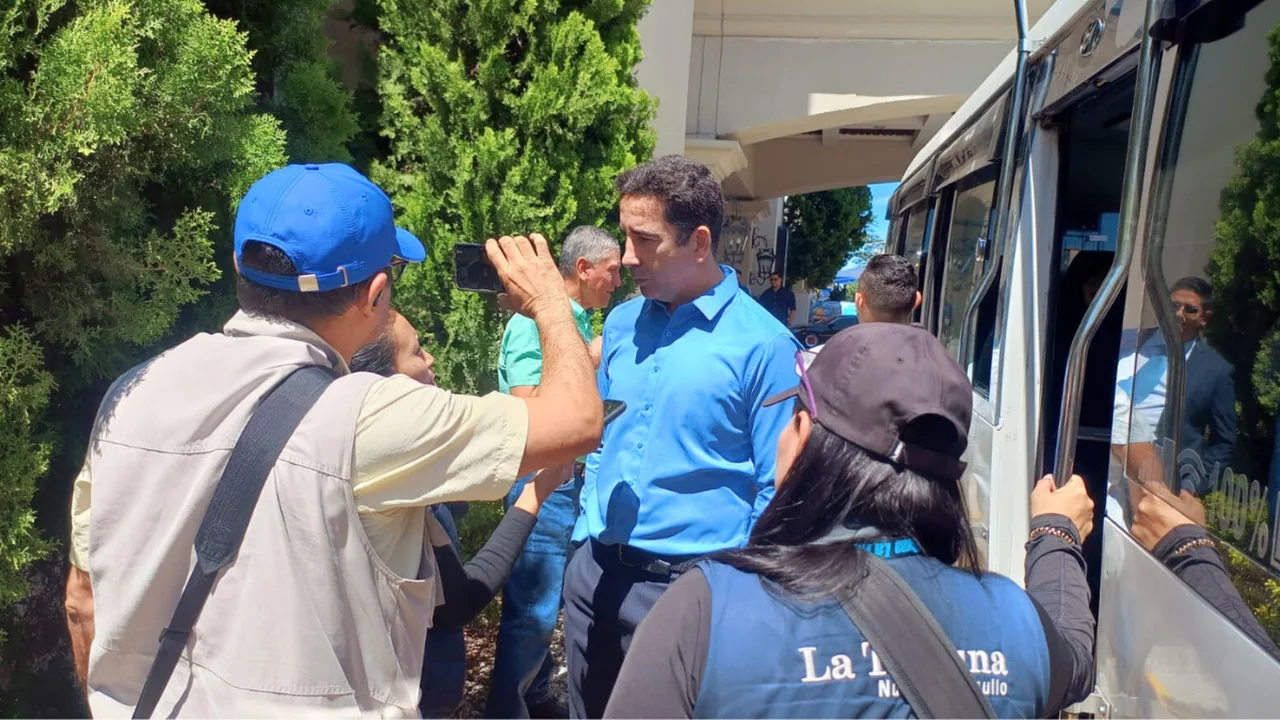
Fernando Cobo travelled to Tegucigalpa in person to present the project to the authorities and speak to the media during the launch.
An institutional and local partnership
The project is the result of collaboration between institutions and companies. The Municipality of the Central District is driving the modernisation; Grupo Visión takes part as local manager and investor, contributing on-the-ground knowledge and support for the rollout; and the Honduran Land Transport Institute (IHTT) is accompanying the process, support that was expressly acknowledged during the presentation.
This combination of public administration, local management and specialist technology is what allows the modernisation of public transport in Tegucigalpa to move from paper to reality.
What it means for the future of transport in Tegucigalpa
Bringing this system into service places Tegucigalpa within the trend of smart transport in Honduras. Having digital fare collection, operational data and better passenger information opens the door to a more orderly, safer service that is easier to plan as the project grows.
For Busae, this mobility project in Tegucigalpa strengthens its presence in Latin America and shows how an ITS platform can adapt to the real needs of each city. You can discover other Busae projects and references in different countries.

